Micro wedding: how small can a wedding be?


Let's start with a slightly awkward question: if half your wedding guest list is made up of people you barely talk to, is that really your wedding, or just a very expensive social event?!
This is exactly the point where a micro wedding starts to make a lot more sense.
Because not every couple wants a big, traditional wedding anymore. And honestly, not every couple should have one. Smaller weddings have quietly become one of the most appealing alternatives. Less pressure, fewer expectations, and a much stronger focus on what actually matters.
This article explains what a micro wedding really is, how small it can be, what it costs, and how to plan one without losing the magic of a full wedding experience.
Short answer: yes, your wedding can be small and still feel complete, emotional, and unforgettable.
Key Takeaways
A micro wedding usually includes 10 to 50 guests and focuses on intimacy.
It allows better control over budget and experience.
Smaller weddings often feel more personal and less stressful.
Quick navigation // Table of Contents
Is a micro wedding right for you?
What is considered a micro wedding?
Do you need a wedding planner for a micro wedding?
Are micro weddings cheaper than traditional weddings?
What is the difference between a micro wedding and small wedding?
Can you still have a full wedding experience with a micro wedding?
1) What is a micro wedding?
A micro wedding is a smaller-scale wedding, typically with around 10 to 50 guests. But the size is only part of the story.
You still have all the key elements: a ceremony, a celebration, meaningful moments, and a full wedding day experience. What changes is the scale and the intention behind it.
With fewer people, the day becomes less about managing logistics and more about being present. Instead of trying to keep everything on track, you actually get to enjoy what's happening around you.
Micro wedding vs traditional wedding
The difference between a micro wedding and a traditional wedding goes far beyond numbers. Traditional weddings often follow a structured format. There's a tight timeline, a lot of moving parts, and a long list of expectations.
A micro wedding feels different from the start: there's more flexibility, more breathing room. More time to actually connect with the people around you.
Instead of feeling like you're hosting an event, it feels like you're part of it. That shift in atmosphere is often the main reason couples choose a smaller wedding.
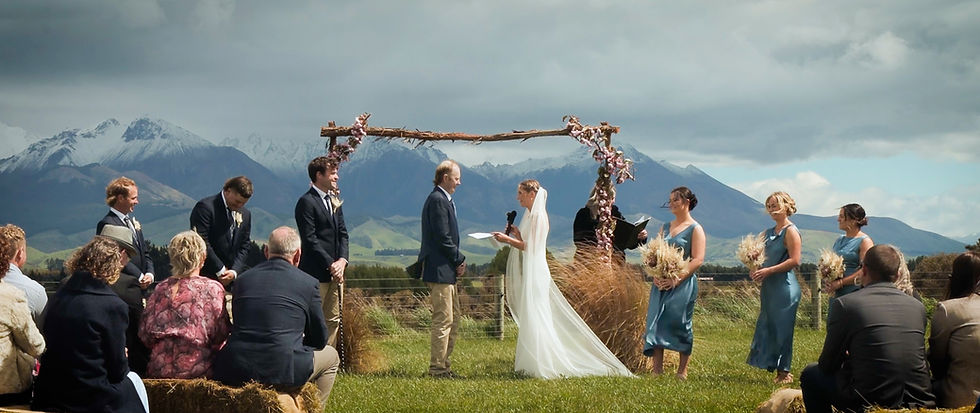
2) How small can a wedding be?
There's no strict rule, which is part of the appeal.
A micro wedding is usually somewhere between 10 and 50 guests, but it can absolutely be smaller. At the lower end, it starts to overlap with elopements. The difference is intention.
A micro wedding still includes a small group of close people. An elopement is often just the couple and a couple of witnesses.
The real question is not how small it can be, it's how small it should be for you. Some couples want just immediate family. Others include a few close friends. Both approaches work perfectly.
3) Benefits of a micro wedding
There’s a reason micro weddings have become so popular in recent years.
They solve a lot of the common frustrations couples have with traditional weddings.
Lower costs and better budget control
One of the biggest advantages is financial. With fewer guests, costs naturally drop across multiple areas. Catering, venue size, rentals, transport. That's why micro wedding costs are usually significantly lower than larger weddings.
But what's more interesting is how couples use that flexibility. Instead of cutting costs everywhere, they often invest more into key elements: better food, a more unique location, or higher-quality video and photo.
More intimate and personal experience
This is where micro weddings really stand out. You're not performing in front of a large crowd. You’re sharing a moment with people who genuinely matter to you.
Conversations feel more natural. Emotions feel more visible. The entire day feels more connected.
For many couples, this is the biggest benefit of a micro wedding: it simply feels more real.

4) Downsides to consider
A smaller wedding is not automatically easier in every way. There are a few challenges worth thinking about early on.
Limited guest list challenges
When you reduce your guest list, you have to make decisions. And sometimes those decisions are not easy. Who gets invited? Who doesn't? Even if your reasons are clear, it can still feel uncomfortable.
Family expectations and pressure
This is often the biggest emotional challenge. Some family members may expect a traditional wedding. Others may assume they will be invited.
So how do you handle it?
Be clear and honest from the beginning. Explain that you are intentionally choosing a smaller wedding to keep things personal and relaxed. If needed, you can also plan a separate, more casual gathering later for a wider group.
That way, no one feels completely left out.

5) How much does a micro wedding cost?
One of the biggest reasons couples start considering a micro wedding is cost. But it's not just about spending less. It's about spending smarter.
With fewer guests, the overall budget becomes much more flexible. Instead of trying to make everything "fit", you can actually shape the day around your priorities.
Typical cost ranges
There's no fixed price, but most micro wedding costs fall somewhere between a very simple elopement and a full traditional wedding. In New Zealand, a micro wedding typically costs anywhere from around $5,000 to $20,000 NZD, depending on location, vendors, and how you prioritise your budget.
What matters more than the total budget is how it's distributed. With fewer people to cater for, you're not locked into large-scale expenses. That gives you options.
Where you can save
Venue size: smaller venues or private locations are often more affordable
Catering: fewer guests means lower food and drink costs
Rentals: less need for large setups, furniture, or extensive décor
Logistics: transport, coordination, and timing become simpler
These savings can be significant, especially when combined.
Where couples choose to invest more
This is where micro weddings really shine. Instead of spreading your budget across 100 guests, you can focus on creating a better experience.
A unique or scenic location
High-quality food and drinks
Photography and videography that truly capture the day
This shift often results in a wedding that feels more premium, even with a smaller overall budget.
If you're planning your wedding in New Zealand, it's also worth checking the official marriage licence requirements here.

6) Micro wedding ideas and inspiration
A micro wedding gives you something that larger weddings rarely do: creative freedom.
Without the constraints of a big guest list, you can shape the day in a way that actually reflects who you are.
Unique venues that wouldn’t work otherwise
Smaller weddings unlock locations that are simply not practical for large groups.
Think about:
Lakeside ceremonies
Mountain viewpoints
Private gardens
Boutique or hidden venues
These types of locations create a more personal atmosphere and often require less styling.
Experiences over structure
Traditional weddings often follow a strict format. A micro wedding allows you to break that structure.
Instead of rushing from one part of the day to another, you can slow things down.
Longer dinners. Relaxed timelines. More time spent actually connecting with your guests.
That's often where the most memorable moments happen.
Personal touches and meaningful details
In large weddings, small details often go unnoticed. In a micro wedding, they stand out.
Handwritten notes
Personal vows
Custom seating or shared meals
These touches don't just look good: they feel meaningful.
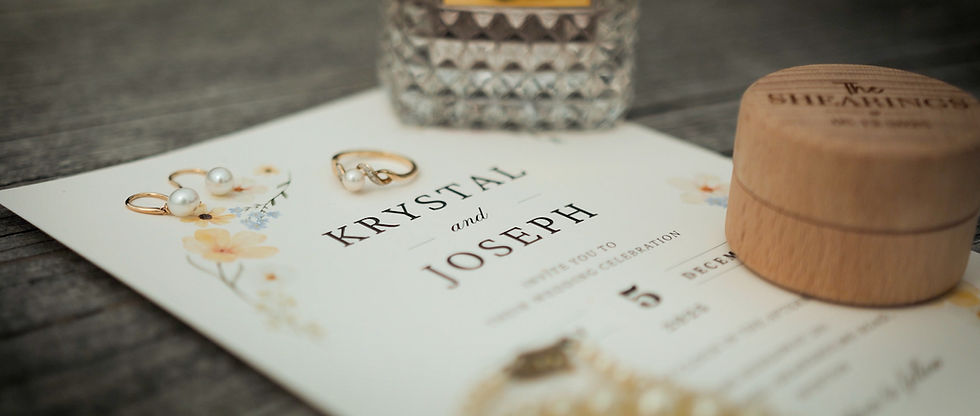
7) How to plan a micro wedding
Even though it's simpler, planning a micro wedding still benefits from a clear structure.
Step 1: Creating a guest list
This is where everything starts. A micro wedding works because the guest list is intentionally small. Instead of thinking about who should be invited, focus on who you genuinely want to share the day with.
Most couples keep it to immediate family and a tight circle of close friends. If you're hesitating about someone, that's usually your answer.
Getting this step right makes every other decision easier, from budget to venue choice.
Step 2: Choosing the perfect venue
Once your guest list is set, the venue becomes much easier to define. The key is finding a space that fits the scale.
Smaller weddings work best in locations that feel natural with fewer people, not oversized or empty. This could be a lakeside spot, a private property, a boutique venue, or somewhere slightly off the beaten track.
With a micro wedding, the venue does a lot of the heavy lifting. The right setting can create atmosphere without needing much extra styling.
Step 3: Timeline and checklist
One of the biggest advantages of a micro wedding is flexibility, but that doesn't mean no structure.
Start with a simple timeline built around the key moments. Ceremony, time together, and a relaxed celebration. You don't need to fill every hour.
A basic checklist also helps keep things on track. Confirm your celebrant, secure your venue, book your key vendors, and make sure the legal side is sorted early.
Keeping things simple is the goal here. A clear plan gives you structure, but enough flexibility to actually enjoy the day.

8) Less Noise, More Meaning
A micro wedding is not about cutting things out. It's about focusing on what actually matters.
When you remove the pressure of a large event, what's left is often something far more meaningful.
More connection.
More presence.
More genuine moments.
And from a storytelling perspective, that makes a huge difference.
Smaller weddings create space. Space for real interactions, subtle emotions, and moments that don't feel staged or rushed. That's exactly what allows a wedding film or photo gallery to feel natural, cinematic, and deeply personal.
If you're planning a micro wedding and want it captured through cinematic film and honest, story-driven photography, we'd genuinely love to hear about your plans.
Get in touch and let's create something that actually feels like you!

FAQ
Is a micro wedding right for you?
IIf you value intimacy, a relaxed atmosphere, and meaningful time with a smaller group, a micro wedding could be a great fit.
What is considered a micro wedding?
A micro wedding usually includes around 10 to 50 guests and focuses on a more personal, scaled-down experience.
Do you need a wedding planner for a micro wedding?
Not necessarily. Many couples plan it themselves, but a planner can still be helpful for coordination and stress-free execution.
Are micro weddings cheaper than traditional weddings?
Generally, yes. Fewer guests reduce major costs like catering and venue size, though couples often reinvest in quality elements.
What is the difference between a micro wedding and small wedding?
A micro wedding is intentionally intimate with a limited guest list, while a "small wedding" is a looser term and can still involve more traditional elements.
Can you still have a full wedding experience with a micro wedding?
Absolutely. You still have all the key moments, just in a more personal and relaxed setting.
Loved this article? Bookmark it so you can easily find it later!
And if you're ready to talk wedding films, get in touch here – we'd love to hear from you!
 | I'm George, the filmmaker and creative partner behind Red Guy Films – I create cinematic wedding films full of emotion and meaning. I began my career in television and advertising back in 2005, and I've been telling real stories ever since. |


Comments